If you live with diabetes, you’ve probably noticed a growing number of “sugar-free” products in your local Coles or Woolies—from soft drinks to chocolate, yoghurt, and lollies. On the surface, sugar-free items seem like an easy way to enjoy sweets without worrying about blood sugar. But reality is more nuanced. Not all sugar-free foods are equal, and their effects on your blood glucose depend on ingredients, portion sizes, and your individual metabolism.
This article will help you understand how to use sugar-free foods effectively, how to read labels like a pro, and how tools like continuous glucose monitors (CGM) can guide you in making smarter daily choices.
Why Sugar-Free Alone Isn’t Enough
Many people assume that swapping sugar for a sweetener solves the blood sugar problem. In reality:
- Not all sugar-free products are equal. Some still contain refined carbs, starches, or hidden sugars that can elevate blood glucose.
- Portion size matters. Eating multiple sugar-free biscuits can still spike your glucose.
- Individual response varies. Two people can eat the same sugar-free snack but see very different glucose reactions.
This is where tracking your own blood sugar becomes invaluable. Seeing your real-time response helps you separate myths from reality and make decisions that actually benefit your diabetes management (Diabetes Australia, 2023).
Understanding Sugar Substitutes
There are three main types of sugar alternatives:
Non-nutritive sweeteners (NNS)
- Examples: sucralose, aspartame, stevia.
- Near-zero calories, minimal immediate glucose effect.
Sugar alcohols (polyols)
- Examples: xylitol, erythritol, sorbitol.
- Lower calorie than sugar, partly absorbed. Some (like sorbitol) can cause digestive issues if overconsumed.
Natural concentrated sweeteners
- Examples: monk fruit extract, concentrated stevia blends.
- Typically very low glycaemic impact.
Practical tip: Don’t just trust the “sugar-free” label. Look at total carbohydrates per serving, the presence of starches, and how much you will actually consume (FSANZ, 2022).

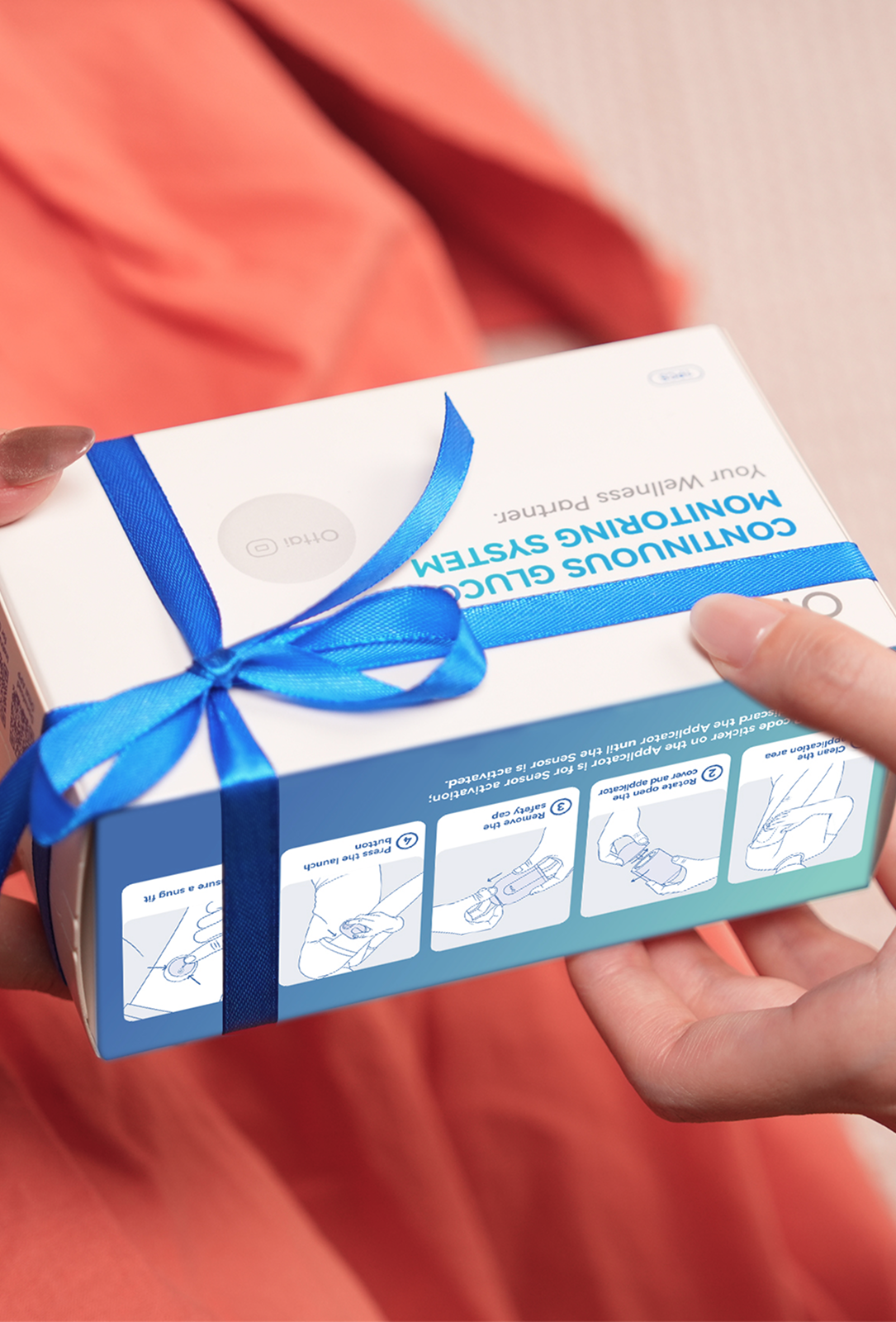
How CGM Can Guide Your Choices
A CGM shows your blood sugar trends continuously, letting you answer questions like:
- Does this sugar-free chocolate actually raise my glucose?
- How many sugar-free biscuits can I eat safely?
- Do artificial sweeteners trigger spikes for me personally?
For example, one patient using CGM noticed no spike after a sugar-free yoghurt, but a modest rise when consuming sugar-free muesli bars due to hidden maltodextrin. Over time, CGM data helps you fine-tune portion sizes, timing, and product choices, making sugar-free foods a more reliable tool rather than a guessing game (American Diabetes Association, 2023).

The Evidence: What Science Tells Us
- Short-term studies: Swapping sugary drinks with NNS drinks can reduce calorie intake and post-meal glucose spikes under controlled conditions (MJA, 2022).
- Observational studies: High intake of diet soft drinks sometimes correlates with higher risk of type 2 diabetes and weight gain—but this may reflect that people at higher risk already choose these products (WHO, 2023).
- Long-term guidance: Major health authorities, including the WHO and Diabetes Australia, do not recommend sugar-free products as a standalone strategy for diabetes prevention. They are tools to assist a balanced diet, not substitutes for it.
The takeaway: sugar-free foods help with acute control, but they cannot replace overall healthy eating habits.
Daily Strategies for Using Sugar-Free Foods
Use them strategically
Swap a sugary soft drink for a diet version once or twice a week, not daily in large volumes
Combine with fibre and protein
Eat sugar-free treats with nuts, yoghurt, or high-fibre foods. This slows glucose absorption and reduces spikes.
Test and observe
Track your glucose response to different sugar-free foods using CGM or finger-prick tests.
Avoid overcompensation
Sugar-free doesn’t mean “free to eat unlimited.” Even low-carb snacks can impact glucose if portions are large.
Check ingredients carefully
Hidden starches, maltodextrin, or high fat can indirectly affect blood sugar or satiety.
Be cautious with sugar alcohols
Overconsumption can cause bloating, gas, or diarrhoea. Introduce slowly and note tolerance.
Adjust timing
Consuming sugar-free foods around meals rather than on an empty stomach can sometimes reduce minor glucose spikes.
Common Traps to Watch Out For
Mixing sugar-free drinks with high-carb meals: Even if the beverage has zero sugar, your overall post-meal glucose can rise significantly.
Sugar-free cookies or chocolate as “guilt-free treats”: Portion creep is common, and multiple servings can add unexpected carbohydrates.
Marketing claims: “Diabetic-friendly” or “low GI” labels don’t guarantee no glucose impact—always verify nutritional information.
Bottom Line
Sugar-free foods can be a useful tool for people living with diabetes—but they are not a replacement for balanced meals and healthy lifestyle habits. To get the most benefit:
- Understand carbs, ingredients, and portion sizes
- Use CGM or blood glucose monitoring to observe your personal response
- Prioritise whole foods for the majority of your diet
- Treat sugar-free foods as occasional allies, not daily staples
By combining smart choices with personal monitoring, you can enjoy sugar-free foods safely while keeping your blood sugar under control.

2022. Canberra: ABS.
Diabetes Australia. Managing Diabetes with Nutrition. 2023.
Food Standards Australia New Zealand (FSANZ). Food Standards Code: Nutrition Information Requirements. 2022.
American Diabetes Association. Standards of Care in Diabetes 2023. Diabetes Care, 46(Suppl.1), S1–S245.
Medical Journal of Australia (MJA). Effects of Non-Nutritive Sweeteners on Blood Glucose Control. 2022;216(6):265–272.
World Health Organization (WHO). Guideline: Non-sugar Sweeteners. 2023.